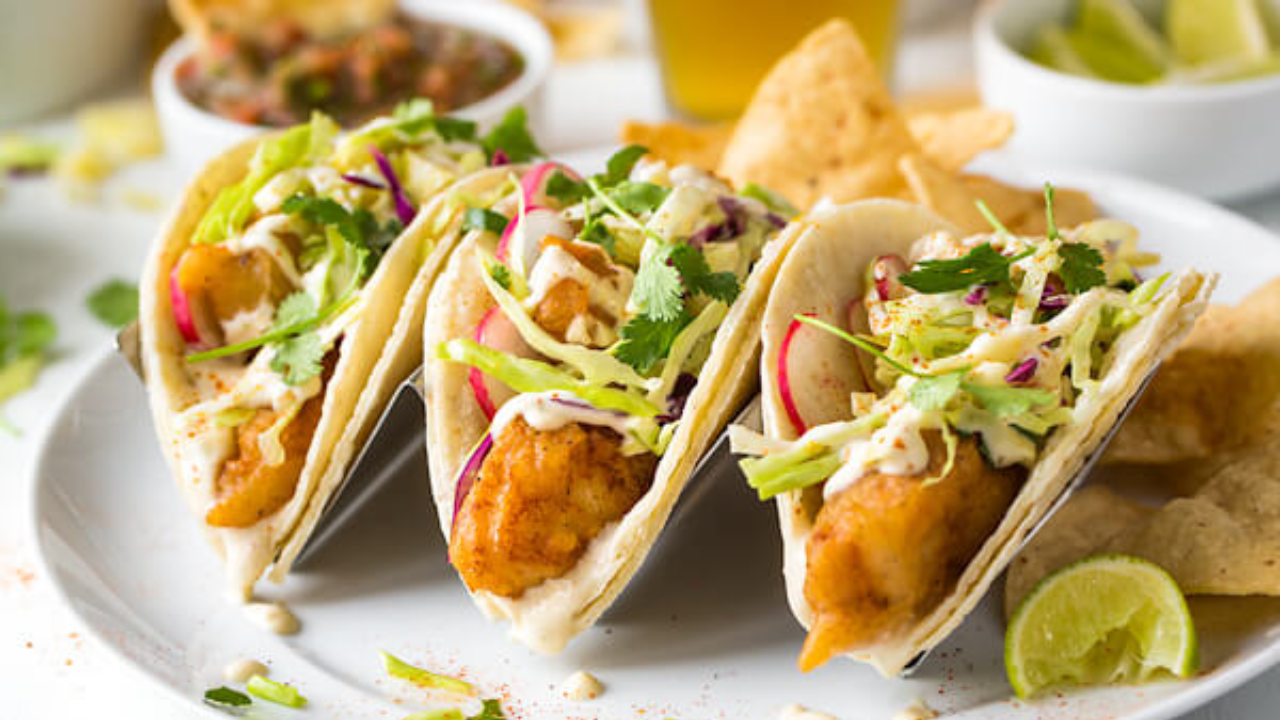
California-style tacos are more than just food—they’re a reflection of the laid-back, sun-soaked lifestyle of the West Coast. Inspired by traditional Mexican street tacos and enhanced by California’s love for fresh produce, coastal flavors, and bold yet balanced seasonings, these tacos offer a lighter, brighter take on a classic favorite. Instead of heavy grease or overpowering spices, California tacos focus on clean flavors, citrusy marinades, grilled proteins, crunchy slaws, and creamy sauces that complement rather than overwhelm. The best part is that you don’t need a taco truck or beachside café to enjoy them. With the right ingredients and simple techniques, you can recreate authentic California-style tacos at home that taste fresh, vibrant, and restaurant-worthy every single time.
What Makes California-Style Tacos Unique
California-style tacos stand apart because they prioritize freshness and balance. While traditional Mexican tacos often focus on deeply spiced meats and minimal toppings, California tacos take a more layered approach. They combine smoky, grilled or marinated proteins with crisp vegetables, bright citrus notes, and creamy sauces. The result is a taco that feels lighter but still deeply satisfying.
Another defining feature is the influence of California’s coastal and farm-to-table culture. Ingredients like cabbage slaw, avocado, pico de gallo, cilantro, and lime are not just garnishes—they are essential components. Proteins such as carne asada, grilled chicken, and fish are cooked simply to highlight natural flavors. Tortillas are warmed gently instead of fried, keeping the tacos soft, flexible, and comforting. Altogether, California-style tacos are refreshing, colorful, and perfect for home cooking.
Choosing the Right Ingredients for Authentic California-Style Tacos
The success of California-style tacos begins with ingredient quality. Because the flavors are clean and simple, each component needs to be fresh and well-prepared. Tortillas should be soft and pliable, proteins should be well-marinated and cooked with a slight char, and toppings should add contrast in texture and taste.
Fresh vegetables like cabbage, tomatoes, onions, and herbs bring crunch and brightness. Avocado or guacamole adds richness, while lime juice cuts through the creaminess of sauces. Even the sauces themselves—often chipotle mayo or garlic crema—are smooth, lightly smoky, and tangy rather than heavy or overly spicy.
Ingredients for Authentic California-Style Tacos
Taco Base
Soft corn or flour tortillas form the foundation. Corn tortillas provide the most authentic flavor, while flour tortillas are commonly used in California for their softness and flexibility. A small amount of olive oil or butter is used to warm them.
Protein Options
California tacos are versatile when it comes to protein. Carne asada (grilled beef) is the most iconic choice, known for its smoky, citrus-marinated flavor. Grilled chicken is another popular option, especially when marinated with lime, garlic, and spices. Fish tacos—either battered or grilled—are a coastal favorite. For vegetarians, sautéed vegetables like bell peppers, onions, mushrooms, or zucchini work beautifully.
Fresh Toppings
Shredded cabbage or lettuce provides crunch. Pico de gallo adds freshness and acidity. Fresh cilantro brings herbal brightness, while avocado or guacamole adds creamy richness. Lime wedges are essential for finishing.
Signature Sauce
A creamy sauce ties everything together. Chipotle mayo, garlic crema, or a simple sour cream-based sauce adds tang and a touch of heat without overpowering the taco.
Step-by-Step: How to Make California-Style Tacos at Home
Step 1: Preparing the Marinade
The marinade is key to achieving bold yet balanced flavor. In a bowl, combine olive oil, fresh lime juice, minced garlic, cumin, smoked paprika, salt, and black pepper. This mixture adds citrus brightness, subtle smokiness, and depth without masking the natural flavor of the meat. Add your chosen protein—beef or chicken—and coat it thoroughly. Marinate for at least 30 minutes, though overnight marination delivers the most tender and flavorful results.
Step 2: Cooking the Protein
Cooking the protein properly is crucial. Heat a grill pan, outdoor grill, or skillet over medium-high heat. Cook the marinated meat until it develops a light char on the outside while remaining juicy inside. Avoid overcooking, as dryness can ruin the texture. Once cooked, allow the meat to rest for about five minutes before slicing thinly against the grain. This step locks in juices and ensures tender bites.
For fish tacos, lightly season or batter the fish and cook it gently until flaky and golden. Whether grilled or pan-fried, fish should be cooked just until done to maintain moisture.
Step 3: Making the California Slaw
California-style slaw is light, crisp, and refreshing. Combine shredded cabbage with fresh lime juice, salt, and a small amount of mayonnaise or olive oil. Toss gently until evenly coated. This slaw adds crunch and acidity, balancing the richness of the protein and sauce. Unlike heavy coleslaw, this version is meant to stay crisp and vibrant.
Step 4: Preparing the Signature Sauce
A classic California taco sauce is creamy with a hint of smokiness. To make chipotle mayo, mix mayonnaise with chipotle sauce or smoked chili paste, lime juice, and a touch of garlic powder. Stir until smooth and refrigerate for about ten minutes. This resting time allows the flavors to blend and mellow. The sauce should be drizzle-friendly, tangy, and lightly smoky—not overpowering.
Step 5: Warming the Tortillas
Never underestimate the importance of warm tortillas. Heat them on a dry skillet or lightly greased pan for 15 to 20 seconds per side until soft and slightly toasted. Keep them wrapped in a clean cloth to retain warmth. Warm tortillas enhance flavor, improve texture, and prevent cracking during assembly.
Step 6: Assembling the Tacos
Assembly is all about balance. Start with a warm tortilla, then add a portion of sliced protein. Top with a small handful of slaw, followed by pico de gallo for freshness. Drizzle the sauce lightly over the toppings, then finish with fresh cilantro and avocado slices. A squeeze of fresh lime juice right before serving brings everything together.
Key Techniques That Elevate California-Style Tacos
One of the defining techniques is layering flavors rather than overwhelming them. Each element should contribute something unique—smoky, creamy, crunchy, or citrusy. Using fresh lime juice instead of bottled juice makes a noticeable difference. Charring the protein slightly enhances depth and authenticity. Avoid overloading the taco, as balance is what makes California tacos shine.
Common Mistakes to Avoid
Overcrowding toppings can make tacos messy and soggy. Using cold tortillas affects both flavor and texture. Overcooking proteins leads to dryness, especially with chicken and fish. Adding too much sauce can overpower the delicate balance of flavors. Avoiding these mistakes ensures consistently great tacos.
Best Side Dishes for California-Style Tacos
California-style tacos pair beautifully with simple, flavorful sides. Mexican rice adds heartiness, while refried beans provide comfort. Fresh guacamole and tortilla chips complement the tacos with creamy richness. Elote-style grilled corn adds smoky sweetness, and loaded nachos work well for gatherings. These sides enhance the meal without stealing attention from the tacos.
Making California-Style Tacos for Different Diets
These tacos are easily adaptable. For vegetarians, grilled vegetables or mushrooms provide a hearty alternative. For lighter versions, grilled fish or chicken works well. Gluten-free options are simple with corn tortillas. Dairy-free sauces can be made using plant-based mayo or yogurt alternatives.
Why California-Style Tacos Are Perfect for Home Cooking
California-style tacos are ideal for home kitchens because they rely on accessible ingredients and flexible techniques. They’re quick enough for weeknight dinners yet impressive enough for entertaining. You can prep components ahead of time and assemble just before serving, making them perfect for parties or casual gatherings. Their fresh flavors appeal to a wide range of tastes, from mild to spicy.
Conclusion
California-style tacos prove that great food doesn’t need to be complicated. With fresh ingredients, well-balanced marinades, and thoughtful layering, you can create tacos that feel vibrant, satisfying, and restaurant-quality right at home. Whether you prefer smoky carne asada, grilled chicken, or crispy fish, these tacos adapt beautifully to your taste and lifestyle. Once you master the techniques and understand the balance of flavors, California-style tacos will quickly become a staple in your kitchen—perfect for casual meals, celebrations, and everything in between.
Frequently Asked Questions
1. What meat is best for California-style tacos?
Carne asada (grilled beef) is the most popular, but grilled chicken and fish are also classic California options.
2. Are California-style tacos spicy?
They are usually mild to medium spicy. You can easily adjust the heat with sauces or chilies.
3. Corn or flour tortillas – which is better?
Corn tortillas are more authentic, but flour tortillas are commonly used in California for a softer bite.
4. Can I make California tacos vegetarian?
Yes! Grilled veggies, mushrooms, or plant-based protein work perfectly with the same toppings and sauces.
5. How do I keep tacos from getting soggy?
Use warm tortillas, drain protein well, and add sauces lightly just before serving.