
No matter how refined your cooking skills become or how many trendy restaurants you try, there’s a certain kind of magic that only Southern grandmother cooking can hold. It wasn’t about complicated techniques or written recipes—it was about instinct, repetition, and love. A pinch here, a splash there, and suddenly something unforgettable appeared on the table.
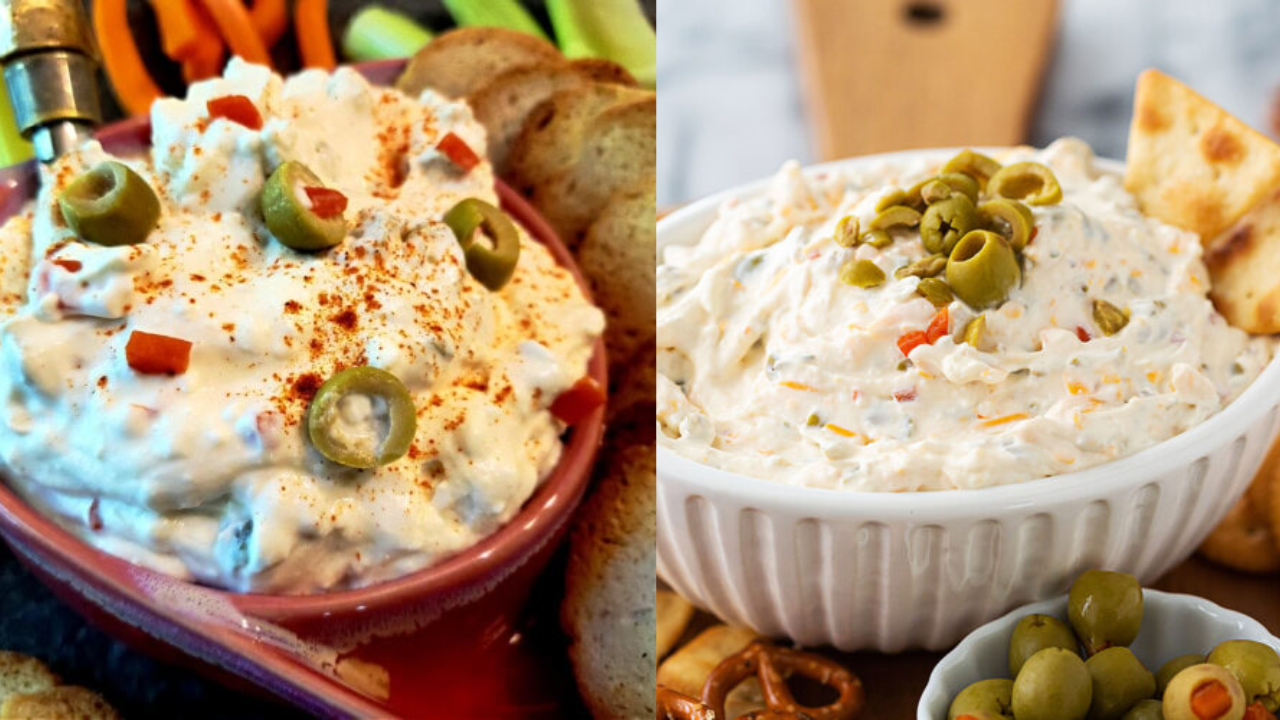
Among all those cherished dishes, one humble snack stands out as my grandmother’s most dependable classic: Cream Cheese and Olive Spread. Simple, nostalgic, and quietly irresistible, it showed up at nearly every family gathering, beach trip, and holiday—often without much fanfare, yet always completely devoured.
The Southern Spread My Grandmother Made On Repeat
Southern kitchens are famous for their spreads and dips. Every family has their version of egg salad, chicken salad, or pimiento cheese. But this spread—equal parts retro and comforting—was my grandmother’s go-to for any occasion, big or small.
It started, as so many Southern recipes do, with a block of cream cheese. From there, it took a distinctly briny turn thanks to pimiento-stuffed green olives, chopped just enough to keep their character intact. There was no official name written down anywhere. In our house, it was simply called what it was: Cream Cheese and Olive Spread.
It didn’t need a recipe card. Everyone just knew how it was made—because they’d seen her make it dozens of times.
Why Cream Cheese and Olive Spread Is the Perfect Appetizer
As kids, we were skeptical. Olives mixed into cream cheese? It sounded questionable at best. But tastes change, and with age came bravery—and appreciation. One bite was all it took to understand why this spread had endured for decades.
It’s rich but balanced, creamy with a salty punch, and endlessly versatile. It works just as well as:
- A quick appetizer with crackers
- A tea sandwich filling for showers and luncheons
- A snack scooped straight from the fridge after a long beach day
In earlier days, this spread might have been shaped into a cheese ball rolled in chopped pecans, or layered into dainty finger sandwiches on a silver tray. My grandmother, however, preferred to keep things simple. No frills—just the spread itself, served cold and ready.
How My Grandmother Made Cream Cheese and Olive Spread
This is one of those recipes that’s more about feel than precision, but here’s the closest approximation to how she always made it.
Ingredients:
- 2 blocks cream cheese, softened
- 1 to 1½ cups pimiento-stuffed green olives, roughly chopped
- Garlic powder (to taste)
- Freshly cracked black pepper
- Worcestershire sauce (a few shakes)
- A splash of olive brine
Method:
- Place the softened cream cheese in a mixing bowl.
- Fold in the chopped olives until evenly distributed.
- Season generously with garlic powder and black pepper.
- Add Worcestershire sauce and a small splash of olive brine for extra depth.
- Mix gently until combined.
- Chill in the refrigerator before serving.
That’s it. No cooking required. No fuss.
Make It Your Own: Easy Variations
Like most Southern classics, this spread welcomes personal touches. Over the years, I’ve seen—and tried—several variations:
- Chopped pecans for crunch
- A spoonful of mayonnaise for extra creaminess
- Extra olive brine if you love a stronger bite
My grandmother often doubled the recipe, knowing it would disappear quickly. She typically served it with Ritz crackers and raw vegetables, but sometimes she’d show up unannounced with a Mason jar full of it—just to leave behind as a surprise.
It’s also excellent spread on white bread for a quick sandwich or layered into tea sandwiches fit for a bridal shower.
A Southern Staple That Still Delivers
Cream Cheese and Olive Spread may not look flashy, but that’s part of its charm. It’s the kind of recipe that reminds you food doesn’t need to be complicated to be meaningful—or delicious.
It’s easy, nostalgic, endlessly adaptable, and guaranteed to spark conversation. And while it may not convert the most devoted olive skeptics (bless their hearts), it continues to win over anyone willing to take a bite.
Some recipes fade with time